
The History of Baby Care Traditions and Innovations through time offers an engaging journey through how societies across the world have nurtured their youngest members from ancient times to the present day. Baby care is one of the most fundamental and evolving aspects of human life, reflecting cultural values, scientific progress, and technological advancements. While the basic needs of feeding, comfort, and protection remain constant, the methods and philosophies behind baby care have transformed dramatically over centuries. Understanding this rich history helps modern parents and caregivers appreciate the traditions that shaped parenting and embrace innovative practices that enhance baby health and wellbeing
In ancient civilizations, baby care was deeply intertwined with cultural rituals and beliefs. In Egypt, for example, caregivers used honey and oils to protect babies’ skin while amulets were worn to ward off evil spirits. Breastfeeding was the primary source of nutrition, often supplemented by wet nurses in wealthy families. Similarly, ancient Greek and Roman societies recognized the importance of hygiene and outdoor exposure for infants, laying early foundations for health practices. These early civilizations also valued community support in child-rearing, with relatives and neighbors playing roles in childcare, demonstrating that caring for babies has long been seen as a collective responsibility.
The medieval and Renaissance periods introduced more varied approaches to baby care as global trade and exploration brought new ideas and materials. This era saw the use of swaddling cloths to immobilize and comfort babies, a practice that persisted for centuries. Herbal remedies and traditional medicines were common, and caregivers relied on oral traditions to pass down knowledge about infant nutrition and health. Religious beliefs strongly influenced baby care, with baptism and blessings viewed as essential for spiritual protection. However, infant mortality remained high, motivating early physicians and midwives to study and document infant care more systematically.
The Industrial Revolution marked a pivotal shift in baby care with increased urbanization, scientific discoveries, and the availability of manufactured baby products. Innovations such as rubber nipples for bottles, safer cribs, and early versions of baby formula emerged, offering alternatives for feeding and sleeping arrangements. This period also witnessed the rise of pediatric medicine as a recognized discipline, promoting better hygiene, vaccination, and nutrition standards for infants. The spread of information through books and magazines empowered parents with new knowledge, helping to reduce infant mortality and improve overall baby health.
In the twentieth century, technological advancements and changing social norms radically transformed baby care. The invention of disposable diapers replaced cloth ones, making baby hygiene more convenient. The introduction of sterilizers, thermometers, and baby monitors reflected growing attention to safety and comfort. Pediatric guidelines emphasized breastfeeding benefits alongside scientifically formulated formulas, balancing tradition with innovation. Parental leave policies, daycare availability, and public health campaigns further supported families. Cultural shifts encouraged more active father involvement and a focus on emotional and cognitive development, broadening the concept of baby care beyond physical needs.
Today, baby care is an exciting blend of time-tested traditions and cutting-edge innovations. Smart baby monitors, eco-friendly diapers, organic baby food, and apps that track feeding and sleep enhance convenience and personalization. There is a growing awareness of the importance of early sensory stimulation, mental health, and attachment parenting. Online platforms like BabyNearMe.com connect parents to trusted products, expert advice, and local communities, offering comprehensive support tailored to modern family lifestyles. Although technology plays a significant role, many caregivers continue to value touch, breastfeeding, and family rituals that provide comfort and security for babies.
Throughout history, the core purpose of baby care—to nurture, protect, and guide the new life—has remained unchanged, even as methods evolve. Recognizing the legacy of traditions alongside the potential of today’s innovations fosters a balanced and informed approach to parenting. Every caregiver can draw from the wealth of human experience to create an environment where babies thrive physically, emotionally, and socially.
BabyNearMe.com is honored to support families by providing access to trusted baby products, reliable health information, and a vibrant community of parents and experts. By understanding and respecting the history of baby care, caregivers can feel more confident and connected on their parenting journey, giving each child the best start in life.
baby baby care baby care tips baby community baby cry baby development baby gear baby growth baby products baby senses baby services baby touch care baby skin diaper rash directory family care family support infant growth local services new life nurturing care parenting support

Huggies Overnites Size 5 Overnight Diapers (27+ lbs), 50 Ct, Packaging May Vary
$22.49 (as of April 21, 2026 04:11 GMT +00:00 – More infoProduct prices and availability are accurate as of the date/time indicated and are subject to change. Any price and availability information displayed on [relevant Amazon Site(s), as applicable] at the time of purchase will apply to the purchase of this product.)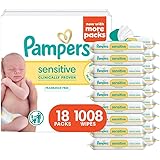
Pampers Sensitive Baby Wipes, Water Based, Hypoallergenic and Unscented, 18 Flip-Top Packs (1008 Wipes Total) [Packaging May Vary]
$29.94 (as of April 21, 2026 04:11 GMT +00:00 – More infoProduct prices and availability are accurate as of the date/time indicated and are subject to change. Any price and availability information displayed on [relevant Amazon Site(s), as applicable] at the time of purchase will apply to the purchase of this product.)